

ბურთულიანი სარქველები ძირითადად ჩართვა/გამორთვის მოწყობილობებს ემსახურება. მათი დიზაინი ზღუდავს მათ შესაძლებლობას, უზრუნველყონ ნაკადის ზუსტი კონტროლი. ამ შეზღუდვამ შეიძლება გავლენა მოახდინოს მათ ეფექტურობაზე ხანძარსაწინააღმდეგო დაცვის გარკვეულ პროგრამებში. აქ მოცემულია რამდენიმე ძირითადი პუნქტი.fire protection valvesბურთიანი სარქველები:ჩართვა/გამორთვის ფუნქციაბურთულიანი სარქველები შესანიშნავად გამორთავენ ან სითხის ნაკადის საშუალებას აძლევენ. თუმცა, ისინი კარგად არ მუშაობენ, როდესაც ოპერატორებს ნაკადის სიჩქარის თანდათანობითი რეგულირება სჭირდებათ.დროის პრობლემებინაწილობრივ გახსნისას, ბურთულიანმა სარქველებმა შეიძლება გამოიწვიოს ტურბულენტობა. ამ ტურბულენტობამ შეიძლება გამოიწვიოს წნევის ვარდნა და არასტაბილური ნაკადის სიჩქარე. ასეთმა ქცევამ შეიძლება შეაფერხოს ხანძარსაწინააღმდეგო სისტემების მუშაობა.ნაკადის რეგულირებაბურთულიანი სარქველები არ არის შესაფერისი იმ აპლიკაციებისთვის, რომლებიც საჭიროებენ ნაკადის წვრილი რეგულირებას. მათი დიზაინი არ იძლევა თანდათანობითი რეგულირების საშუალებას. ეს შეზღუდვა შეიძლება პრობლემური იყოს იმ შემთხვევებში, როდესაც აუცილებელია წყლის ზუსტი მიწოდება.რჩევანაკადის მოდულაციის საჭიროების მქონე აპლიკაციებისთვის განიხილეთ კარიბჭის სარქველების ან სხვა ტიპის სარქველების გამოყენება, რომლებიც განკუთვნილია დროსელირებისთვის.
ქვემოთ მოცემულ ცხრილში შეჯამებულია ბურთისებრი სარქველების ნაკადის კონტროლის შესაძლებლობები კარიბჭის სარქველებთან შედარებით:
- სარქვლის ტიპი
- ნაკადის კონტროლის შესაძლებლობა
- იდეალური გამოყენების შემთხვევა
- ბურთიანი სარქველიშეზღუდული
- ჩართვა/გამორთვის სერვისიკარიბჭის სარქველი
ზომიერი
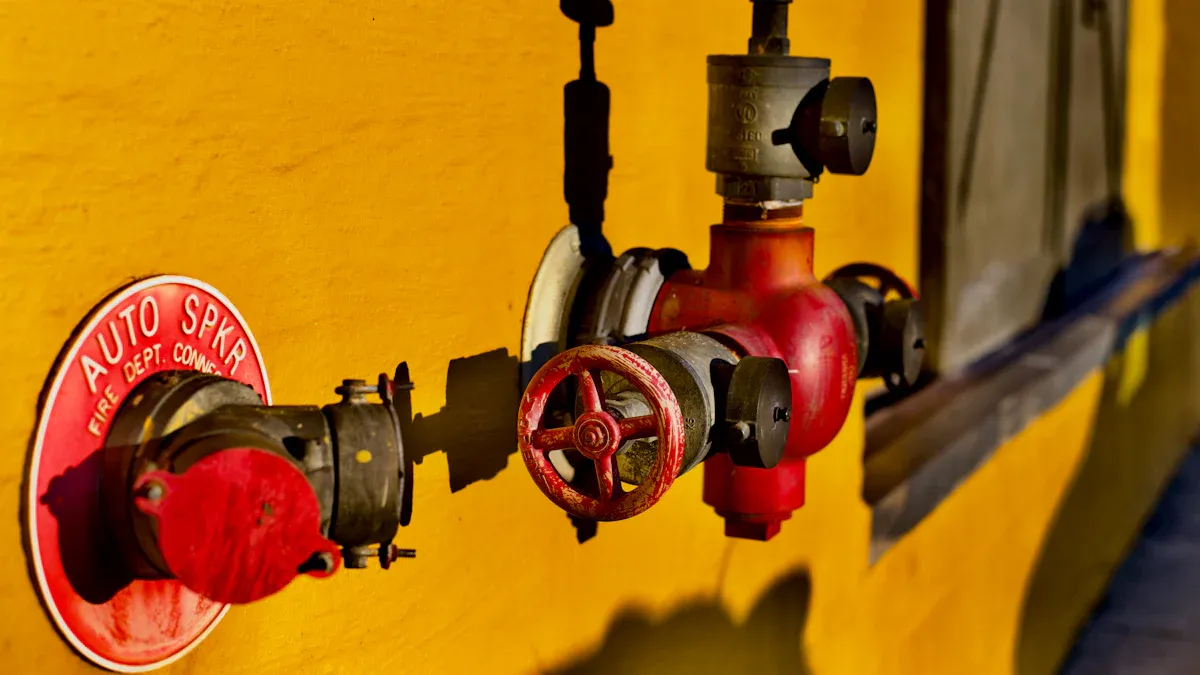
დროსელირება და ნაკადის რეგულირებაგამოყენება ხანძარსაწინააღმდეგო სისტემებშიხანძარსაწინააღმდეგო სარქველები მნიშვნელოვან როლს ასრულებენ ხანძარსაწინააღმდეგო სისტემების სხვადასხვა გამოყენებაში. მათი შერჩევა დამოკიდებულია კონკრეტულ ოპერაციულ მოთხოვნებსა და ხანძარსაწინააღმდეგო სტრატეგიის ბუნებაზე. ქვემოთ მოცემულია როგორც კარიბჭის, ასევე ბურთულიანი სარქველების რამდენიმე ძირითადი გამოყენება ხანძარსაწინააღმდეგო სისტემებში:
| 1. ხანძარსაწინააღმდეგო სარწყავი სისტემები | Ball Valves | Gate Valves |
|---|---|---|
| სადგამი მილების სისტემები, რომლებიც ხშირად გვხვდება კომერციულ შენობებში, ხანძარსაწინააღმდეგო სამუშაოების ჩასაქრობად საჭირო წყლის ადეკვატური მიწოდების უზრუნველსაყოფად ხანძარსაწინააღმდეგო სარქველებზეა დამოკიდებული. სარქველები ხშირად გამოიყენება სისტემის მონაკვეთების იზოლირებისთვის, ხოლო ბურთულიანი სარქველები ხელს უწყობს წყლის დაუყოვნებლივ მიწოდებას. | 3. ხანძარსაწინააღმდეგო ჰიდრანტების სისტემები | სახანძრო ჰიდრანტების სისტემებს სჭირდებათ საიმედო და ეფექტური სარქველები, რათა უზრუნველყონ მეხანძრეებისთვის წყლის სწრაფი წვდომა. ჭიშკრიანი სარქველები, როგორც წესი, დამონტაჟებულია მთავარ მიწოდების ხაზზე ჰიდრანტებში წყლის ნაკადის გასაკონტროლებლად. ბურთულიანი სარქველები ასევე შეიძლება გამოყენებულ იქნას საგანგებო სიტუაციებში სწრაფი გამორთვისთვის. |
| 4. წყალდიდობისა და მოქმედების წინა სისტემები | წყალდიდობისა და წინასწარი მოქმედების ხანძარსაწინააღმდეგო სისტემებში ხანძარსაწინააღმდეგო სარქველები სასიცოცხლო როლს ასრულებენ წყლის ნაკადის კონტროლში სარწყავი სისტემების თავებისკენ. სარქველებს შეუძლიათ სისტემის მონაკვეთების იზოლირება ტექნიკური მომსახურებისთვის, ხოლო ბურთულიანი სარქველები საშუალებას იძლევა წყლის ნაკადის სწრაფად გააქტიურება საჭიროების შემთხვევაში. | 5. სამრეწველო გამოყენება |
| Flow Regulation | 6. საცხოვრებელი სახლების ხანძარსაწინააღმდეგო დაცვა | საცხოვრებელი სახლების ხანძარსაწინააღმდეგო სისტემები ასევე სარგებლობენ ხანძარსაწინააღმდეგო სარქველების გამოყენებით. ჭიშკრიანი სარქველები უზრუნველყოფენ საიმედო გამორთვის შესაძლებლობებს, ხოლო ბურთულიანი სარქველები უზრუნველყოფენ წყალმომარაგების სწრაფ წვდომას ხანძრის ჩაქრობის სამუშაოებისთვის. |
| Durability | ხანძარსაწინააღმდეგო დაცვის სისტემებისთვის სარქველების შერჩევისას გაითვალისწინეთ კონკრეტული გამოყენება და ოპერაციული მოთხოვნები. თითოეული ტიპის სარქველი გთავაზობთ უნიკალურ უპირატესობებს, რომლებსაც შეუძლიათ სისტემის მუშაობის გაუმჯობესება. | შესაფერისი სცენარები კარიბჭის სარქველებისთვის |
| სარქველები განსაკუთრებით ეფექტურია ხანძარსაწინააღმდეგო სისტემების სხვადასხვა სცენარში. მათი დიზაინი და ფუნქციონალურობა მათ კონკრეტული გამოყენებისთვის შესაფერისს ხდის, სადაც | საიმედო ნაკადის კონტროლი | აუცილებელია. ქვემოთ მოცემულია რამდენიმე იდეალური სიტუაცია ჭიშკრიანი სარქველების გამოყენებისთვის: |
მთავარი წყალმომარაგების იზოლაცია
ხანძარსაწინააღმდეგო სისტემებში წყალმომარაგების ძირითადი გამორთვის მექანიზმის ფუნქციას ასრულებენ სარქველები. ისინი უზრუნველყოფენ სისტემის სრულ დახურვას ტექნიკური მომსახურების ან საგანგებო სიტუაციების დროს, რაც უზრუნველყოფს სისტემის უსაფრთხოებას და ფუნქციონირებას.მაღალი წნევის აპლიკაციებიმაღალი წნევის მქონე გარემოში, სარქველები შესანიშნავად მუშაობენ. მათი მტკიცე კონსტრუქცია უძლებს მნიშვნელოვან წნევას მუშაობის ხარისხის შელახვის გარეშე. ეს გამძლეობა მათ იდეალურს ხდის სამრეწველო გარემოსთვის.
დიდი დიამეტრის მილსადენები
სარქველები ხშირად გამოიყენება დიდი დიამეტრის მილსადენებში, სადაც აუცილებელია ნაკადის კონტროლი. მათი დიზაინი მინიმუმამდე ამცირებს ნაკადის შეზღუდვას, რაც საშუალებას იძლევა წყლის ეფექტური მიწოდებისა საგანგებო სიტუაციების დროს.
ხანძარსაწინააღმდეგო ჰიდრანტების სისტემები
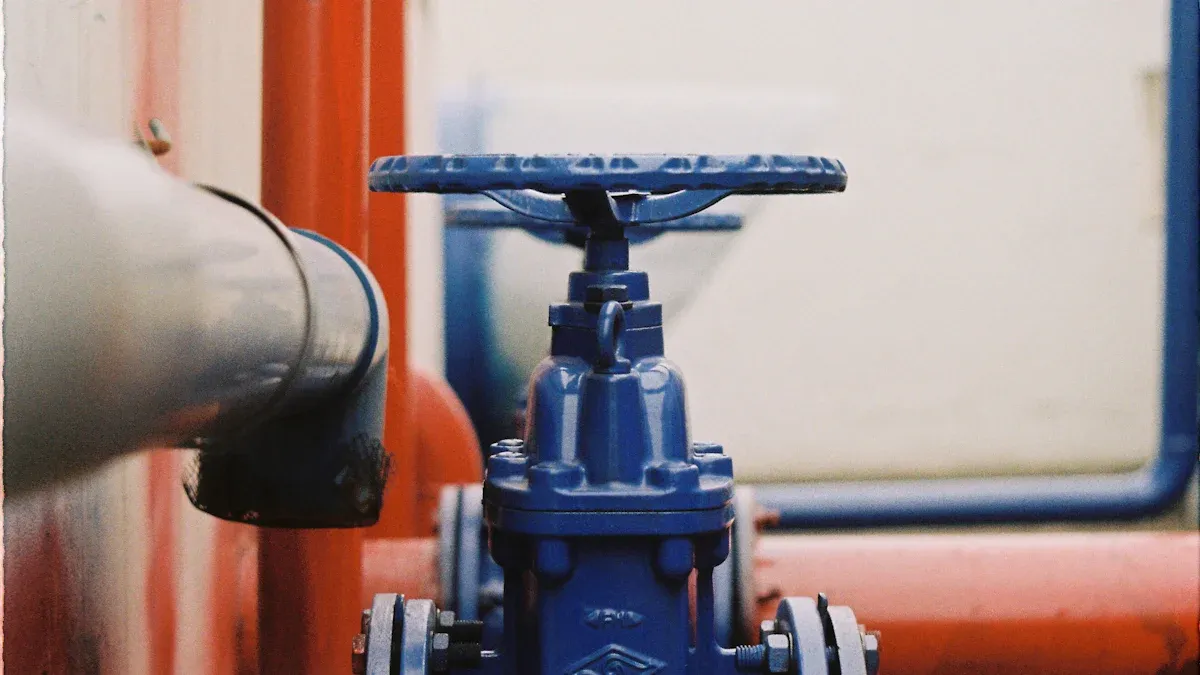
სახანძრო ჰიდრანტების სისტემებში ხშირად დამონტაჟებულია სარქველები. ისინი უზრუნველყოფენ წყალმომარაგების საიმედო იზოლაციას, რაც უზრუნველყოფს მეხანძრეებისთვის წყლის სწრაფად მიწოდებას საჭიროების შემთხვევაში.გამოდგება თუ არა კარიბჭის სარქველები დროსელის გამოყენებისთვის?სადგამიან სისტემებში, სარქველები კონკრეტული მონაკვეთების იზოლირების საშუალებას იძლევა. ეს შესაძლებლობა კრიტიკულად მნიშვნელოვანია ტექნიკური მომსახურებისთვის და უზრუნველყოფს სისტემის სხვა ნაწილების ფუნქციონირებას.
- Ball Valvesხანძარსაწინააღმდეგო სისტემებისთვის სარქველების შერჩევისას გაითვალისწინეთ კონკრეტული გამოყენება და ექსპლუატაციის მოთხოვნები. მათი უნარი, უზრუნველყონ საიმედო გამორთვა და გაუძლონ მაღალ წნევას, მათ სხვადასხვა სცენარში ღირებულ კომპონენტად აქცევს.
- Gate Valvesბურთულიანი სარქველები განსაკუთრებით ეფექტურია ხანძარსაწინააღმდეგო სისტემების სხვადასხვა სცენარში. მათი დიზაინი და ექსპლუატაციის ეფექტურობა მათ შესაფერისს ხდის კონკრეტული გამოყენებისთვის, სადაც სწრაფი რეაგირება და საიმედოობა აუცილებელია. ქვემოთ მოცემულია ბურთულიანი სარქველების გამოყენების რამდენიმე იდეალური სიტუაცია:
საგანგებო გამორთვა
ბურთულიანი სარქველები შესანიშნავად ერგება სწრაფ გამორთვას. მათი მეოთხედი ბრუნვის ფუნქცია საშუალებას იძლევა დაუყოვნებლივ დაიხუროს, რაც კრიტიკულად მნიშვნელოვანია ხანძრის დროს. მეხანძრეებს შეუძლიათ სწრაფად მიიღონ წყალმომარაგება, რაც უზრუნველყოფს სწრაფ რეაგირებას.
მაღალი წნევის სისტემებიგამოდგება თუ არა კარიბჭის სარქველები დროსელის გამოყენებისთვის?წყალმომარაგების ხაზები
Gate Valves
- ხანძარსაწინააღმდეგო სისტემებისთვის გაითვალისწინეთ მათი სწრაფი მუშაობა და დაბალი წნევის ვარდნა. ეს მახასიათებლები აუმჯობესებს სისტემის საერთო მუშაობას და საიმედოობას.ხანძარსაწინააღმდეგო სარწყავ სისტემებში ბურთულიანი სარქველები ხელს უწყობენ სწრაფ გააქტიურებას. ისინი უზრუნველყოფენ წყლის მყისიერ ნაკადს სარწყავ თავებში, რაც ზრდის ხანძრის ჩაქრობის ეფექტიანობას.
- წყალდიდობის სისტემებიბურთულიანი სარქველები გადამწყვეტ როლს თამაშობენ წყალდიდობის სისტემებში, სადაც აუცილებელია წყლის სწრაფი გამოშვება. მათი დიზაინი უზრუნველყოფს სწრაფ მუშაობას, რაც უზრუნველყოფს წყლის დაუყოვნებლივ მიღწევას დანიშნულ ადგილებში.
- სწრაფი რეაგირება ხანძრის დროს: როდის
Ball Valves
- ხანძარსაწინააღმდეგო სისტემებისთვის გაითვალისწინეთ მათი სწრაფი მუშაობა და დაბალი წნევის ვარდნა. ეს მახასიათებლები აუმჯობესებს სისტემის საერთო მუშაობას და საიმედოობას.აპლიკაციის ტიპი
- ძირითადი სარგებელისაგანგებო გამორთვა
- სწრაფი რეაგირება ხანძრის დროსმაღალი წნევის სისტემებიინარჩუნებს მთლიანობას ზეწოლის ქვეშწყალმომარაგების ხაზები
Tipსარწყავი სისტემები
წყლის ნაკადის მყისიერი გააქტიურება
წყალდიდობის სისტემები
- წყლის სწრაფი გამოყოფა ჩასახშობადხანძარსაწინააღმდეგო სისტემების საერთო ეფექტურობა
- ეფექტურობახანძარსაწინააღმდეგო დაცვის სარქველები
- მნიშვნელოვნად მოქმედებს ხანძარსაწინააღმდეგო უსაფრთხოების სისტემების მუშაობაზე. როგორც ჩამკეტი სარქველები, ასევე ბურთულიანი სარქველები გადამწყვეტ როლს ასრულებენ საგანგებო სიტუაციების დროს წყლის საიმედო ნაკადის უზრუნველყოფაში. მათი უნიკალური მახასიათებლები ხელს უწყობს ხანძრის ჩაქრობის საერთო ეფექტურობას.სარქველები შესანიშნავად გამოიყენება იმ შემთხვევებში, როდესაც საჭიროა ნაკადის სრული გამორთვა. ისინი უზრუნველყოფენ ხანძარსაწინააღმდეგო სისტემის მონაკვეთების იზოლირების საიმედო საშუალებას. ეს შესაძლებლობა აუცილებელია ტექნიკური მომსახურების ან საგანგებო სიტუაციების დროს. სარქველები უზრუნველყოფენ მაღალი ნაკადის გამტარუნარიანობას, რაც უზრუნველყოფს წყლის საჭიროების შემთხვევაში კრიტიკულ ადგილებამდე მიღწევას. მათი მყარი კონსტრუქცია უძლებს მაღალ წნევას, რაც მათ სხვადასხვა გარემოსთვის შესაფერისს ხდის.
- მეორე მხრივ, ბურთულიანი სარქველები უზრუნველყოფენ სწრაფ მუშაობას და დაბალი წნევის ვარდნას. მათი მეოთხედი ბრუნვის მექანიზმი უზრუნველყოფს წყლის მიწოდებაზე სწრაფ წვდომას, რაც სასიცოცხლოდ მნიშვნელოვანია ხანძრის დროს. მეხანძრეებს შეუძლიათ სწრაფად გაააქტიურონ ბურთულიანი სარქველები, რაც უზრუნველყოფს დაუყოვნებლივწყლის ნაკადი
- სწრაფ რეაგირებას შეუძლია მნიშვნელოვანი განსხვავება შეიტანოს ხანძრის ეფექტურად კონტროლში. გარდა ამისა, ბურთულიანი სარქველები ინარჩუნებენ გაჟონვისგან დაცულ დალუქვას, ხელს უშლიან წყლის დაკარგვას და აძლიერებენ სისტემის საიმედოობას.შესრულება საგანგებო სიტუაციებში
საგანგებო სიტუაციებში ხანძარსაწინააღმდეგო სარქველების მუშაობა კრიტიკულად მნიშვნელოვანი ხდება. როგორც ჩამკეტი სარქველები, ასევე ბურთულიანი სარქველები განსხვავებულ როლს ასრულებენ ხანძრის ჩაქრობის ეფექტური ძალისხმევის უზრუნველყოფაში.
ოპერაციული მახასიათებლებიშეიძლება მნიშვნელოვნად იმოქმედოს ხანძრის ჩაქრობის ღონისძიებების შედეგებზე.კარიბჭის სარქველები
| Valve Type | ბურთიანი სარქველები | ამის საპირისპიროდ, ბურთულიანი სარქველები სწრაფ მუშაობას უზრუნველყოფენ. მათი მეოთხედი ბრუნვის მექანიზმი წყალმომარაგებაზე დაუყოვნებლივ წვდომას უზრუნველყოფს. ეს სწრაფი გააქტიურება აუცილებელია ხანძრის დროს, როდესაც დრო უმნიშვნელოვანესია. მეხანძრეებს შეუძლიათ სწრაფად ჩართონ ბურთულიანი სარქველები, რაც უზრუნველყოფს წყლის საჭირო ადგილებში დაუყოვნებლივ მიწოდებას. გარდა ამისა, ბურთულიანი სარქველები ინარჩუნებენ დაბალი წნევის ვარდნას, რაც ხელს უწყობს წყლის წნევის შენარჩუნებას მთელ სისტემაში. |
|---|---|---|
| Gate Valve | საიმედოა სრული გამორთვისთვის, მაგრამ უფრო ნელია მუშაობაში. | საიმედოა სრული გამორთვისთვის, მაგრამ უფრო ნელია მუშაობაში. |
| Ball Valve | ხანძარსაწინააღმდეგო სარქველების გრძელვადიანი საიმედოობა | ხანძარსაწინააღმდეგო სარქველების გრძელვადიანი საიმედოობა |
ხანძარსაწინააღმდეგო სარქველებისთვის გრძელვადიანი საიმედოობა გადამწყვეტია, რადგან ეს კომპონენტები სასიცოცხლო როლს ასრულებენ საგანგებო სიტუაციების დროს უსაფრთხოების უზრუნველყოფაში. როგორც ჭიშკრიანი, ასევე ბურთულიანი სარქველები ხასიათდებიან უნიკალური მახასიათებლებით, რომლებიც დროთა განმავლობაში გავლენას ახდენს მათ საიმედოობაზე.
- კარიბჭის სარქველები
- გამძლეობა
- სარქველები ხშირად დამზადებულია გამძლე მასალებისგან, როგორიცაა უჟანგავი ფოლადი ან სპილენძი. ეს მასალები აძლიერებს მათ მაღალი წნევისა და ტემპერატურისადმი გამძლეობის უნარს, რაც ხელს უწყობს მათ ხანგრძლივი მომსახურების ვადას.
- ტექნიკური მომსახურების მოთხოვნები
- რეგულარული ტექნიკური მომსახურება აუცილებელია ჩამკეტი სარქველებისთვის. ოპერატორებმა უნდა შეამოწმონ დალუქვის საშუალებები და შიდა კომპონენტები გაჟონვის თავიდან ასაცილებლად. ტექნიკური მომსახურების უგულებელყოფამ შეიძლება გამოიწვიოს საიმედოობის შემცირება და პოტენციური გაუმართაობა კრიტიკულ მომენტებში.
- ბურთიანი სარქველები
- დაბალი ტექნიკური მომსახურების საჭიროებები
- ბურთულიანი სარქველები, როგორც წესი, ნაკლებ მოვლას საჭიროებენ, ვიდრე ჩამკეტი სარქველები. მათი დიზაინი მინიმუმამდე ამცირებს ცვეთას, რაც მათ საშუალებას აძლევს ეფექტურად იმუშაონ ხანგრძლივი პერიოდის განმავლობაში.
- კოროზიისადმი მდგრადობა
- ბევრი ბურთულიანი სარქველი იყენებს კოროზიისადმი მდგრად მასალებს. ეს მახასიათებელი ზრდის მათ საიმედოობას, განსაკუთრებით ისეთ გარემოში, სადაც ქიმიური ნივთიერებები ან ექსტრემალური პირობებია.
- რჩევა
ხანძარსაწინააღმდეგო დაცვის სარქველების გრძელვადიანი საიმედოობის მაქსიმიზაციის მიზნით, ორგანიზაციებმა უნდა დანერგონ რუტინული შემოწმების გრაფიკი. რეგულარული შემოწმებით შესაძლებელია პოტენციური პრობლემების იდენტიფიცირება მათი გამწვავებამდე, რაც უზრუნველყოფს, რომ სარქველები საჭიროების შემთხვევაში ფუნქციონირებენ.ხანძარსაწინააღმდეგო სისტემებში როგორც კარიბჭის, ასევე ბურთულიანი სარქველები გამოირჩევა გამორჩეული უპირატესობებითა და ნაკლოვანებებით.კარიბჭის სარქველები
გამოირჩევიან საიმედო გამორთვის შესაძლებლობებით და მაღალი ნაკადის სიმძლავრით.
ბურთიანი სარქველები
- გამოირჩევიან სწრაფი მუშაობით და დაბალი წნევის ვარდნით.საბოლოო ჯამში, ამ სარქველებს შორის არჩევანი დამოკიდებულია ხანძარსაწინააღმდეგო სისტემის სპეციფიკურ საჭიროებებსა და ოპერაციულ მოთხოვნებზე.რჩევაშეაფასეთ თითოეული აპლიკაციის უნიკალური მოთხოვნები, რათა დაადგინოთ ყველაზე მეტად
- შესაფერისი ტიპის სარქველიოპტიმალური შესრულებისთვის.ხშირად დასმული კითხვებირა არის ძირითადი განსხვავება ბურთისებრ სარქველებსა და კარიბჭის სარქველებს შორის?
ჭიშკრიანი სარქველები უზრუნველყოფენ საიმედო ჩართვა/გამორთვის კონტროლს, ხოლო ბურთულიანი სარქველები უზრუნველყოფენ სწრაფ მუშაობას მინიმალური წნევის ვარდნით. ეს ბურთულიან სარქველებს უფრო შესაფერისს ხდის საგანგებო სიტუაციებისთვის.გამოდგება თუ არა კარიბჭის სარქველები დროსელის გამოყენებისთვის?დროსელირებისთვის შესაძლებელია ფარისებრი სარქველების გამოყენება, თუმცა ისინი ამ მიზნით იდეალური არ არის. მათი დიზაინი, ძირითადად, ნაკადის სრული გამორთვისთვისაა განკუთვნილი.
| რა სიხშირით უნდა მოხდეს ხანძარსაწინააღმდეგო დაცვის სარქველების მოვლა? | როგორც ჭიშკრიანი, ასევე ბურთულიანი სარქველების რეგულარული მოვლა აუცილებელია. ტექნიკოსებმა ისინი წელიწადში ერთხელ მაინც უნდა შეამოწმონ, რათა უზრუნველყონ მათი გამართული ფუნქციონირება და თავიდან აიცილონ გაჟონვა. |
|---|---|
| შეუძლია თუ არა ბურთულიან სარქველებს ჭუჭყიანი სითხეების დამუშავება? | ბურთულიანი სარქველები ებრძვიან მყარი ნივთიერებების ან ნარჩენების შემცველ სითხეებს. დამაბინძურებლებმა შეიძლება ხელი შეუშალონ სათანადო დალუქვას, რაც ხანძარსაწინააღმდეგო სისტემებში პოტენციურ გაჟონვას იწვევს. |
| რა ფაქტორები ახდენს გავლენას კარიბჭესა და ბურთისებრ სარქველებს შორის არჩევანზე? | არჩევანი დამოკიდებულია კონკრეტული გამოყენების საჭიროებებზე, როგორიცაა საჭირო რეაგირების დრო, ნაკადის კონტროლი და წნევის პირობები. შეაფასეთ ეს ფაქტორები საუკეთესო სარქვლის ტიპის დასადგენად. |
| გამოქვეყნების დრო: 2026 წლის 20 მარტი | კონტაქტი |
ეწვიეთ ჩვენს ვებგვერდს„ჟეჯიანგის მსოფლიო ხანძარსაწინააღმდეგო აღჭურვილობის კომპანია, შპს“დაგვიკავშირდით
13685872522
13968219316
- ჩვენი ელ.ფოსტაგაგზავნეთ მოთხოვნა
- კორეულიელფოსტის გაგზავნა
- WhatsAppძებნისთვის დააჭირეთ Enter-ს ან დასახურად ESC-ს
- ინგლისურიფრანგული
- გერმანულიპორტუგალიური
ესპანური
| რუსული | ყაზახური |
|---|---|
| კორეული | არაბული |
| ირლანდიური | ბერძნული |
| თურქული | იტალიური |
დანიური
რუმინული
ინდონეზიურიჩეხურიაფრიკაანსი
- შვედურიპოლონური
- ბასკურიკატალანური
ესპერანტო
ჰინდი
ლაოსურიალბანურიამჰარული
- სომხურიაზერბაიჯანული
- ბელორუსულიბენგალური
- ბოსნიურიბულგარული
სებუანო
- ჩიჩევა
- კორსიკული
- ხორვატული
- ჰოლანდიური
ესტონურიფილიპინური
| Valve Type | ფრიზული | გალისიური |
|---|---|---|
| Ball Valve | ებრაული | ჰავაიური |
| Gate Valve | ჰავაიური | ებრაული |
ჰმონგი
უნგრული
ისლანდიურიიგბოიავური
| კანადა | ყაზახური |
|---|---|
| ქმერული | ქურთული |
| ყირგიზული | ლათინური |
| ლატვიური | ლიტვური |
ლუქსემბურგი..მაკედონურიმადაგასური
- მალაიურიმალაიალამური
- მალტურიმაორი
- მარათჰიმონღოლური
ბირმული
ნეპალური
ნორვეგიული
პუშტუსპარსული:
- პენჯაბურისერბული
- სესოტოსინჰალურისლოვაკურისლოვენური
- სომალელისამოური
შოტლანდიური გელური
შონა
სინდური
სუნდურისუაჰილიტაჯიკური
- ტამილურიტელუგუ
- ტაილანდურიუკრაინული
ურდუ
| Valve Type | ვიეტნამური | უელსური | ქჰოსა |
|---|---|---|---|
| იდიში | იორუბა | ზულუ | კინიარუანდა |
| თათრული | ორია | თურქმენული | უიღურული |
Low pressure drop in ball valves enhances water flow in fire system pipelines. This efficiency ensures that firefighters receive adequate water supply quickly, which is vital for effective firefighting. The ability to maintain pressure during operation allows for consistent water delivery, even in high-demand situations.
Disadvantages of Ball Valves
While ball valves offer numerous advantages, they also present several disadvantages that can affect their performance in fire protection systems. Understanding these limitations is crucial for making informed decisions. Here are some key drawbacks:
- Inability to Provide Gradual Shut-off: Ball valves operate with a quarter-turn action. This rapid shut-off can lead to sudden pressure changes, potentially damaging systems like fire protection sprinklers. Such abrupt shifts in pressure may compromise the integrity of the entire system.
- Corrosion and Erosion Issues: Depending on the material used, ball valves can corrode or erode when exposed to harsh substances. This deterioration can result in leaks and reduced performance over time. Operators must consider the fluid characteristics to mitigate these risks.
- Difficulty in Handling Dirty Fluids: Ball valves struggle with fluids containing solids or debris. These contaminants can prevent proper sealing, leading to leakage. In fire protection systems, where reliability is paramount, this limitation can pose significant challenges.
- Higher Initial Costs: Compared to gate valves, ball valves typically have a higher initial purchase price. This cost factor can deter some organizations from choosing them, especially when budget constraints exist.
- Limited Throttling Capability: Ball valves are primarily designed for on/off service. They do not perform well when used for throttling applications. This limitation can hinder flow regulation in certain scenarios, making them less versatile than other valve types.
Higher Initial Cost of Ball Valves
Ball valves typically come with a higher initial cost than gate valves. This price difference can influence purchasing decisions for fire protection systems. Organizations must weigh the benefits against the financial implications. Here are some key points regarding the costs associated with ball valves:
- Material Quality: Ball valves often use high-quality materials, such as stainless steel or brass. These materials enhance durability but increase production costs.
- Complex Design: The design of ball valves includes more intricate components, which can drive up manufacturing expenses.
- Performance Features: Ball valves offer superior sealing capabilities and quick operation. These features justify the higher price for many applications.
Cost Comparison Table
| Valve Type | Initial Cost Range (8″ Class 300) | Initial Cost Range (24″) |
|---|---|---|
| Gate Valve | $12K – $18K | $12K – $18K |
| Ball Valve | $45K – $75K | $45K – $75K |
Tip: When budgeting for fire protection systems, consider both the initial costs and the long-term benefits of each valve type.
Despite the higher upfront costs, ball valves can provide long-term savings. Their durability and low maintenance requirements often lead to reduced operational costs over time. Organizations should evaluate their specific needs and budget constraints before making a decision.
Limited Flow Control of Ball Valves
Ball valves primarily serve as on/off devices. Their design limits their ability to provide precise flow control. This limitation can impact their effectiveness in certain fire protection applications. Here are some key points regarding the flow control capabilities of ball valves:
- On/Off Functionality: Ball valves excel at quickly shutting off or allowing fluid flow. However, they do not perform well when operators need to adjust flow rates gradually.
- Throttling Issues: When partially opened, ball valves can create turbulence. This turbulence can lead to pressure drops and inconsistent flow rates. Such behavior can hinder the performance of fire suppression systems.
- Flow Regulation: Ball valves are not suitable for applications requiring fine flow regulation. Their design does not allow for gradual adjustments. This limitation can be problematic in scenarios where precise water delivery is essential.
Tip: For applications that require flow modulation, consider using gate valves or other valve types designed for throttling.
The table below summarizes the flow control capabilities of ball valves compared to gate valves:
| Valve Type | Flow Control Capability | Ideal Use Case |
|---|---|---|
| Ball Valve | Limited | On/off service |
| Gate Valve | Moderate | Throttling and flow regulation |
Applications in Fire Systems
Fire protection valves play a critical role in various applications within fire protection systems. Their selection depends on specific operational requirements and the nature of the fire protection strategy. Below are some key applications for both gate valves and ball valves in fire systems:
1. Fire Sprinkler Systems
Fire sprinkler systems utilize both gate and ball valves to control water flow. Gate valves serve as the main shut-off valves, allowing for complete closure during maintenance or emergencies. Ball valves, on the other hand, provide quick access to water supply, enabling rapid response during fire incidents.
2. Standpipe Systems
Standpipe systems, commonly found in commercial buildings, rely on fire protection valves to ensure adequate water supply for firefighting efforts. Gate valves are often used to isolate sections of the system, while ball valves facilitate quick operation for immediate water access.
3. Fire Hydrant Systems
Fire hydrant systems require reliable and efficient valves to ensure firefighters can access water quickly. Gate valves are typically installed at the main supply line to control water flow to hydrants. Ball valves may also be used for quick shut-off in emergency situations.
4. Deluge and Pre-Action Systems
In deluge and pre-action fire suppression systems, fire protection valves play a vital role in controlling water flow to sprinkler heads. Gate valves can isolate sections of the system for maintenance, while ball valves allow for rapid activation of water flow when needed.
5. Industrial Applications
In industrial settings, fire protection valves are essential for safeguarding against fire hazards. Gate valves are often used in high-pressure applications, while ball valves are favored for their quick operation and low pressure drop, making them suitable for various fire suppression systems.
6. Residential Fire Protection
Residential fire protection systems also benefit from the use of fire protection valves. Gate valves provide reliable shut-off capabilities, while ball valves ensure quick access to water supply for firefighting efforts.
Tip: When selecting valves for fire protection systems, consider the specific application and operational requirements. Each valve type offers unique advantages that can enhance system performance.
Suitable Scenarios for Gate Valves
Gate valves are particularly effective in various scenarios within fire protection systems. Their design and functionality make them suitable for specific applications where reliable flow control is essential. Below are some ideal situations for using gate valves:
- Main Water Supply Isolation: Gate valves serve as the primary shut-off mechanism for the main water supply in fire protection systems. They allow for complete closure during maintenance or emergencies, ensuring that the system remains safe and operational.
- High-Pressure Applications: In environments where high pressure is a concern, gate valves excel. Their robust construction can withstand significant pressure without compromising performance. This durability makes them ideal for industrial settings.
- Large-Diameter Pipelines: Gate valves are often used in large-diameter pipelines where flow control is necessary. Their design minimizes flow restriction, allowing for efficient water delivery during emergencies.
- Fire Hydrant Systems: Gate valves are commonly installed in fire hydrant systems. They provide reliable isolation of the water supply, ensuring that firefighters can access water quickly when needed.
- Standpipe Systems: In standpipe systems, gate valves allow for the isolation of specific sections. This capability is crucial for maintenance and ensures that other parts of the system remain operational.
Tip: When selecting gate valves for fire protection systems, consider the specific application and operational requirements. Their ability to provide reliable shut-off and withstand high pressures makes them a valuable component in various scenarios.
Suitable Scenarios for Ball Valves
Ball valves are particularly effective in various scenarios within fire protection systems. Their design and operational efficiency make them suitable for specific applications where quick response and reliability are essential. Below are some ideal situations for using ball valves:
- Emergency Shut-off: Ball valves excel in situations requiring rapid shut-off. Their quarter-turn operation allows for immediate closure, which is critical during fire emergencies. Firefighters can quickly access water supply, ensuring a swift response.
- High-Pressure Systems: In high-pressure environments, ball valves maintain their integrity and performance. Their robust construction withstands significant pressure, making them ideal for industrial applications where safety is paramount.
- Water Supply Lines: Ball valves are commonly used in water supply lines for fire protection systems. Their ability to provide leak-proof sealing ensures that water remains contained, preventing wastage and maintaining system efficiency.
- Sprinkler Systems: In fire sprinkler systems, ball valves facilitate quick activation. They allow for immediate water flow to sprinkler heads, enhancing the effectiveness of fire suppression efforts.
- Deluge Systems: Ball valves play a crucial role in deluge systems, where rapid water release is necessary. Their design enables quick operation, ensuring that water reaches the intended areas without delay.
Tip: When selecting ball valves for fire protection systems, consider their quick operation and low pressure drop. These features enhance overall system performance and reliability.
| Application Type | Key Benefit |
|---|---|
| Emergency Shut-off | Rapid response during fires |
| High-Pressure Systems | Maintains integrity under pressure |
| Water Supply Lines | Prevents leaks and wastage |
| Sprinkler Systems | Immediate water flow activation |
| Deluge Systems | Quick water release for suppression |
Overall Effectiveness in Fire Systems
The effectiveness of fire protection valves significantly impacts the performance of fire safety systems. Both gate valves and ball valves play crucial roles in ensuring reliable water flow during emergencies. Their unique characteristics contribute to the overall efficiency of fire suppression efforts.
Gate valves excel in applications requiring complete flow shut-off. They provide a reliable means to isolate sections of a fire protection system. This capability is essential during maintenance or emergencies. Gate valves allow for high flow capacity, ensuring that water reaches critical areas when needed. Their robust construction withstands high pressures, making them suitable for various environments.
On the other hand, ball valves offer rapid operation and low pressure drop. Their quarter-turn mechanism allows for quick access to water supply, which is vital during fire incidents. Firefighters can swiftly activate ball valves, ensuring immediate water flow. This quick response can make a significant difference in controlling fires effectively. Additionally, ball valves maintain leak-proof sealing, preventing water loss and enhancing system reliability.
Performance in Emergencies
In emergency situations, the performance of fire protection valves becomes critical. Both gate valves and ball valves play distinct roles in ensuring effective firefighting efforts. Their operational characteristics can significantly influence the outcome of fire suppression activities.
Gate Valves
Gate valves provide reliable shut-off capabilities. They excel in applications where complete flow control is necessary. However, their slower operation can hinder response times during emergencies. Firefighters may face delays when attempting to open or close these valves, as they require multiple turns. This limitation can be detrimental in situations where every second counts.
Ball Valves
In contrast, ball valves offer rapid operation. Their quarter-turn mechanism allows for immediate access to water supply. This quick activation is essential during fire incidents, where time is of the essence. Firefighters can swiftly engage ball valves, ensuring that water flows to the necessary areas without delay. Additionally, ball valves maintain low pressure drops, which helps sustain water pressure throughout the system.
Summary of Performance
- Gate Valves: Reliable for complete shut-off but slower to operate.
- Ball Valves: Quick to activate, ensuring immediate water flow and maintaining pressure.
Long-Term Reliability of Fire Protection Valves
Long-term reliability is crucial for fire protection valves, as these components play a vital role in ensuring safety during emergencies. Both gate and ball valves exhibit unique characteristics that influence their reliability over time.
Gate Valves
- Durability: Gate valves often feature robust materials, such as stainless steel or brass. These materials enhance their ability to withstand high pressures and temperatures, contributing to their longevity.
- Maintenance Requirements: Regular maintenance is essential for gate valves. Operators should inspect seals and internal components to prevent leaks. Neglecting maintenance can lead to reduced reliability and potential failures during critical moments.
Ball Valves
- Low Maintenance Needs: Ball valves typically require less maintenance than gate valves. Their design minimizes wear and tear, allowing them to function effectively for extended periods.
- Corrosion Resistance: Many ball valves utilize corrosion-resistant materials. This feature enhances their reliability, especially in environments exposed to harsh chemicals or extreme conditions.
Tip: To maximize the long-term reliability of fire protection valves, organizations should implement a routine inspection schedule. Regular checks can identify potential issues before they escalate, ensuring that valves remain operational when needed.
Both gate and ball valves offer distinct advantages and disadvantages in fire protection systems.
- Gate valves excel in providing reliable shut-off capabilities and high flow capacity.
- Ball valves stand out for their quick operation and low pressure drop.
Ultimately, the choice between these valves hinges on specific fire system needs and operational requirements.
Tip: Assess the unique demands of each application to determine the most suitable valve type for optimal performance.
FAQ
What is the primary difference between gate valves and ball valves?
Gate valves provide reliable on/off control, while ball valves offer quicker operation with minimal pressure drop. This makes ball valves more suitable for emergency situations.
Are gate valves suitable for throttling applications?
Gate valves can be used for throttling, but they are not ideal for this purpose. Their design is primarily for complete flow shut-off.
How often should fire protection valves be maintained?
Regular maintenance is essential for both gate and ball valves. Technicians should inspect them at least once a year to ensure proper functionality and prevent leaks.
Can ball valves handle dirty fluids?
Ball valves struggle with fluids containing solids or debris. Contaminants can prevent proper sealing, leading to potential leaks in fire protection systems.
What factors influence the choice between gate and ball valves?
The choice depends on specific application needs, such as required response time, flow control, and pressure conditions. Evaluate these factors to determine the best valve type.
Post time: Mar-20-2026